- News
- lifestyle
- health-fitness
- health-news
- The positivity pill
Trending
This story is from July 13, 2010
The positivity pill
Meghna Bajaj, writer and daughter of a cancer survivor suggests how humour and right thinking can help individuals and their families help fight the disease
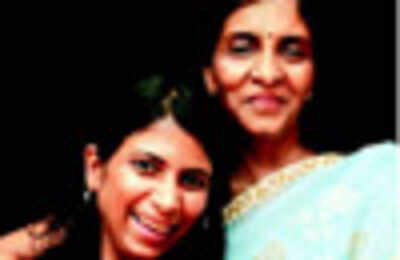
Meghna Bajaj, writer and daughter of a cancer survivor suggests how humour and right thinking can help individuals and their families help fight the disease
When homemaker Sunila Bajaj was diagnosed with stage three of breast cancer, her family was devastated. “She led a regular, healthy lifestyle. In fact, she initially thought the lump in her breast, could be cured with pain-relieving balm! So imagine our shock when it turned out to be cancerous,” recalls daughter Megha.
Immediate treatment was inevitable — a four-hour operation to remove the lump followed by sessions of chemotherapy and later radiation. This entailed the typical after-effects: hair loss, weakness and severe pain. But instead of getting depressed, the Bajajs faced the situation bravely. “We strongly believed that if caretakers are negative and anxious, the same energy is passed on to the patient further worsening his/her condition. Hence along with regular treatment, we decided to invest in positive attitude, yoga and meditation,” she adds.
Sunila’s treatment took over six months, but the holistic approach had its effect. The surgery and medicines took care of the tumour, but post treatment she became a different person. It’s been four years since she’s been leading a cancer-free and healthy life.
FIRST, THE BASICS
After the initial shock is dealt with, get all possible information. Find out who the best doctors and experts are. Seek support groups to guide you through the treatment. Meet people who have undergone similar experiences. Read a lot, not so much on the disease and its after effects, but on the solutions.
INTROSPECT
Practitioners of alternative therapies believe that like all diseases, cancer too has a lot to do with the mindbody connection. Our hidden resentments, problems and stresses gets manifested as cancer. Hence identifying deep-rooted emotional problems can help a patient deal with them. Encourage the person to talk freely or write down everything: feelings, fears,aspirations and every little incident that might have fuelled negative emotions over the years. It helps him/her come to terms with the disease.
SPREAD POSITIVE ENERGY
Cancer treatment should be physical, emotional and spiritual. And meditation is the best way to achieve all three. Group meditation, especially, releases a lot of positive energy which gets transferred to the ailing person. Keep positive affirmations around the house and keep referring to them. Play music. Fire emits positive vibrations hence light diyas or candles in the house.
I organised chanting sessions during my mother’s treatment. The group would think of my mother as a radiant, positive woman until she started believing in it herself.
We also tried to eliminate every shadow of negativity in the house, and wouldn’t even allow people enter her room even with a sad face. Also, we would laugh a lot and try to find humour in every situation — be it her losing hair or going for radiation. Believe me, it all adds up.
VANITY ISSUES
Cancer can affect a woman’s looks and subsequently, her self-esteem. Here the spouse should be very sensitive. The way a husband looks at the woman is how she would look at herself. Make your wife feel beautiful. Tell her that just because she loses her hair or a breast doesn’t make her any less attractive. Make love to her with tenderness. It will affect her willingness to battle the disease.
DON'T CHANGE YOUR LIFESTYLE
Even if you have to change your schedule to take care of the patient, don’t panic. Most importantly, stop thinking of him/her as a victim. Don’t talk unnecessarily and endlessly about the disease.
My mother tried to lead as normal a life as possible during her treatment. She would cook, go shopping and do other household activities whenever she could. As a family, we would celebrate every occasion, watch feel-good movies, go for holidays together etc.
In fact, the day before her major surgery, we even celebrated the ‘occasion’. Such measures go a long way in lowering stress levels — for the patient and the family.
WHAT NEXT
Even after the operation is successful, a small cold or a slight muscle pull brings back familiar fears and concerns. To fight this, learn to look at your life before and after cancer. List it down. And if need be, create two separate columns.
Introspect on what has been your learning and think about what has changed during the interim period. Life after cancer should give birth to a new, positive you. Otherwise the depression might lead things back to square one.
Follow us on Twitter for more stories
When homemaker Sunila Bajaj was diagnosed with stage three of breast cancer, her family was devastated. “She led a regular, healthy lifestyle. In fact, she initially thought the lump in her breast, could be cured with pain-relieving balm! So imagine our shock when it turned out to be cancerous,” recalls daughter Megha.
Immediate treatment was inevitable — a four-hour operation to remove the lump followed by sessions of chemotherapy and later radiation. This entailed the typical after-effects: hair loss, weakness and severe pain. But instead of getting depressed, the Bajajs faced the situation bravely. “We strongly believed that if caretakers are negative and anxious, the same energy is passed on to the patient further worsening his/her condition. Hence along with regular treatment, we decided to invest in positive attitude, yoga and meditation,” she adds.
Sunila’s treatment took over six months, but the holistic approach had its effect. The surgery and medicines took care of the tumour, but post treatment she became a different person. It’s been four years since she’s been leading a cancer-free and healthy life.
Megha then chronicled her mother’s miraculous road to recovery and the family’s emotional, physical and spiritual journey in a book Thank You Cancer that was published recently. Based on her experiences, she gives tips to cope during the difficult period:
FIRST, THE BASICS
After the initial shock is dealt with, get all possible information. Find out who the best doctors and experts are. Seek support groups to guide you through the treatment. Meet people who have undergone similar experiences. Read a lot, not so much on the disease and its after effects, but on the solutions.
INTROSPECT
Practitioners of alternative therapies believe that like all diseases, cancer too has a lot to do with the mindbody connection. Our hidden resentments, problems and stresses gets manifested as cancer. Hence identifying deep-rooted emotional problems can help a patient deal with them. Encourage the person to talk freely or write down everything: feelings, fears,aspirations and every little incident that might have fuelled negative emotions over the years. It helps him/her come to terms with the disease.
SPREAD POSITIVE ENERGY
Cancer treatment should be physical, emotional and spiritual. And meditation is the best way to achieve all three. Group meditation, especially, releases a lot of positive energy which gets transferred to the ailing person. Keep positive affirmations around the house and keep referring to them. Play music. Fire emits positive vibrations hence light diyas or candles in the house.
I organised chanting sessions during my mother’s treatment. The group would think of my mother as a radiant, positive woman until she started believing in it herself.
We also tried to eliminate every shadow of negativity in the house, and wouldn’t even allow people enter her room even with a sad face. Also, we would laugh a lot and try to find humour in every situation — be it her losing hair or going for radiation. Believe me, it all adds up.
VANITY ISSUES
Cancer can affect a woman’s looks and subsequently, her self-esteem. Here the spouse should be very sensitive. The way a husband looks at the woman is how she would look at herself. Make your wife feel beautiful. Tell her that just because she loses her hair or a breast doesn’t make her any less attractive. Make love to her with tenderness. It will affect her willingness to battle the disease.
DON'T CHANGE YOUR LIFESTYLE
Even if you have to change your schedule to take care of the patient, don’t panic. Most importantly, stop thinking of him/her as a victim. Don’t talk unnecessarily and endlessly about the disease.
My mother tried to lead as normal a life as possible during her treatment. She would cook, go shopping and do other household activities whenever she could. As a family, we would celebrate every occasion, watch feel-good movies, go for holidays together etc.
In fact, the day before her major surgery, we even celebrated the ‘occasion’. Such measures go a long way in lowering stress levels — for the patient and the family.
WHAT NEXT
Even after the operation is successful, a small cold or a slight muscle pull brings back familiar fears and concerns. To fight this, learn to look at your life before and after cancer. List it down. And if need be, create two separate columns.
Introspect on what has been your learning and think about what has changed during the interim period. Life after cancer should give birth to a new, positive you. Otherwise the depression might lead things back to square one.
Follow us on Twitter for more stories
End of Article
FOLLOW US ON SOCIAL MEDIA








Photostories
Featured In Lifestyle

Popular Categories
Entertainment NewsBollywood NewsTollywood NewsKollywood NewsMollywood NewsMovie ReviewsLatest Hindi MoviesLatest Tamil MoviesMX PlayerParenting TipsHome RemediesWeight LossBeauty TipsParenting TipsHindi VideosHindi Video SongsBhojpuri Music VideosLatest Telugu MoviesBhojpuri Music VideoHindi TV News
Trending in Entertainment
Latest MoviesBollywood MoviesHollywood MoviesTamil Movies 2024Telugu Movies 2024Malayalam Movies 2024Kannada Movies 2024Marathi Movies 2024Bengali Movies 2024Top Rated Movies 2024Best Hindi MoviesBest English MoviesBest Telugu MoviesBest Tamil MoviesBest Malayalam MoviesBest Kannada MoviesBest Bengali MoviesUpcoming Hindi MoviesBest Movies Of All TimeBest Hindi Movies of All Time
Trending in Etimes
PM Modi’s birthday through the years: From slicing 73-kg laddoo cake to Cheetah Project and Vishwakarma YojanaHoroscope TodayNumerology Predictions TodayElla EmhoffDonald Trump AssassinationKaren DunnJose LopezKristina JoksimovicJoe WilsonTrump Eating The Dogs SongGermany NewsKamala HarrisPrince HarryBelly Fat LossDiabetes RiskFull Moon in September 2024Relationship TipsSean DiddyMiley CyrusDave Bautista
Trending in TV
Trending in Lifestyle
Trending in Regional
Movie Reviews
Berlin ReviewThe Buckingham Murders ReviewSpeak No Evil ReviewVisfot ReviewThalapathy Is The G.O.A.T ReviewRebel Ridge ReviewDetective Conan vs. Kid the Phantom Thief ReviewBeetlejuice Beetlejuice ReviewPad Gaye Pange ReviewA Wedding Story ReviewThe Diary Of West Bengal ReviewTikdam ReviewKinds Of Kindness ReviewAfraid Review
Upcoming Hindi Movies
Upcoming Regional Movies
Latest News
Lava Blaze 3 5G with 50MP camera, MediaTek chipset launched in IndiaPankaj Kapur is proud of son Shahid Kapoor’s film choices, calls him ‘the finest actor in the country’4 types of tea to improve gut health and ease digestive issuesAdam Zampa acknowledges slim Ashes hopes as milestone 100th ODI nearsDecoding how log analytics systems are enabling brands to derive maximum value from dataKitchen Tips: How to elevate home cooking to Michelin levelAnother Mpox suspected case in India: Man showing symptoms admitted to hospitalLiza Colon becomes 1st Latina to win Best Supporting Emmy AwardSelena Gomez recreates practiced applause she learnt from TV show Friends after losing at Emmys 2024Former WWE superstar is no longer listed on their internal rostersBeyond Paychecks: Job satisfaction, work-life balance more important than salary for Gen Z workforce‘You is sleep or you can sleep’: Students prank Benglauru’s ‘pookie professor’ in viral videoHow ‘Oxford returnee’ Atishi became chief minister of DelhiWhy more couples aged 50 or older are getting divorcedThese are the most toxic fresh produce of 2024"They haven't done a good job”- Wrestling veteran highlights a significant problem with The BloodlinePolice detain Rajasthan govt school principal for passing lewd comments on girlPics; Monalisa visits Lalbaugcha Raja with husband Vikrant Singh
Other Group Sites -
ETimes is an Entertainment, TV & Lifestyle industrys promotional website and carries advertorials and native advertising.